Begin With the Facts in Your File
A car loan turned down? A mortgage stalled? Rates higher than they should be? It starts with knowing exactly what your credit reports show. Find Out What's On Your File
When a lender declines an application or offers a rate that feels too high, your credit reports may hold information worth a second look. You might find an account you do not recognize, a balance that is wrong, a late payment you believe was reported in error, or a collection entry that means nothing to you. Without knowing the details, it is hard to tell what deserves your attention.
San Antonio Credit Repair offers credit report review services that help you make sense of what is appearing in your reports. We explain account statuses, payment history, balances, inquiries, and the other reporting details that matter. The review looks for potential inaccuracies and helps you understand your options. It does not promise any particular score change or lending result.
In San Antonio, a credit report review usually starts with a goal in mind: a lease near the UTSA campus, a first home in Boerne or Bulverde, a car loan for the drive around Loop 1604, or a better rate on a card you already carry. Whatever brings you here, the review covers all three bureaus — Equifax, Experian, and TransUnion — line by line, so you see what lenders see before you apply.
These are actual results from past clients, previously shared on Instagram. Every credit file is different, so treat these as examples of what the process can look like, not as a promise of what yours will do.
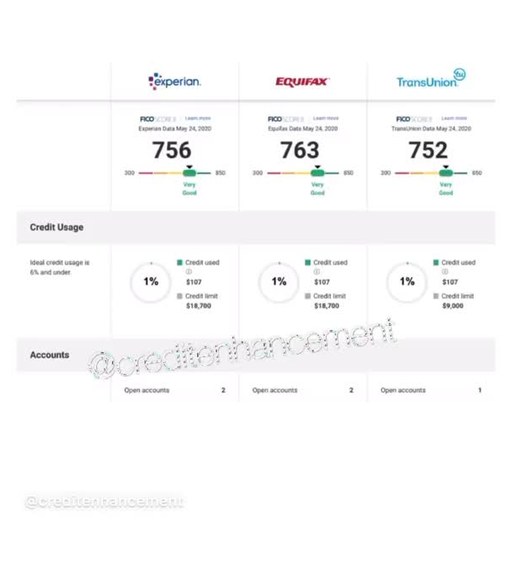
A client's FICO scores in May 2020: Experian 756, Equifax 763, and TransUnion 752.
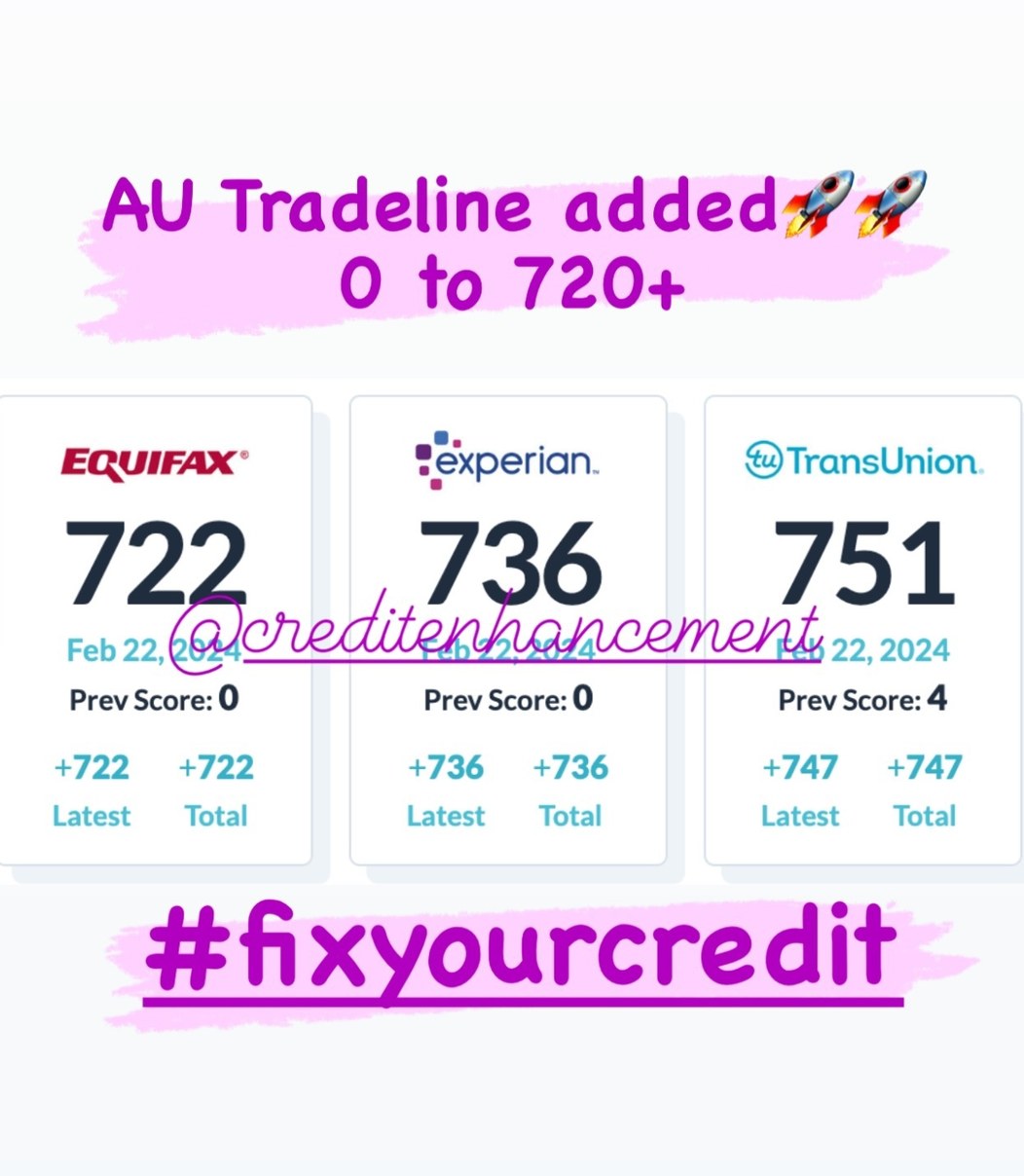
Authorized-user tradeline added: Equifax 722, Experian 736, TransUnion 751 from no credit history, February 2024.
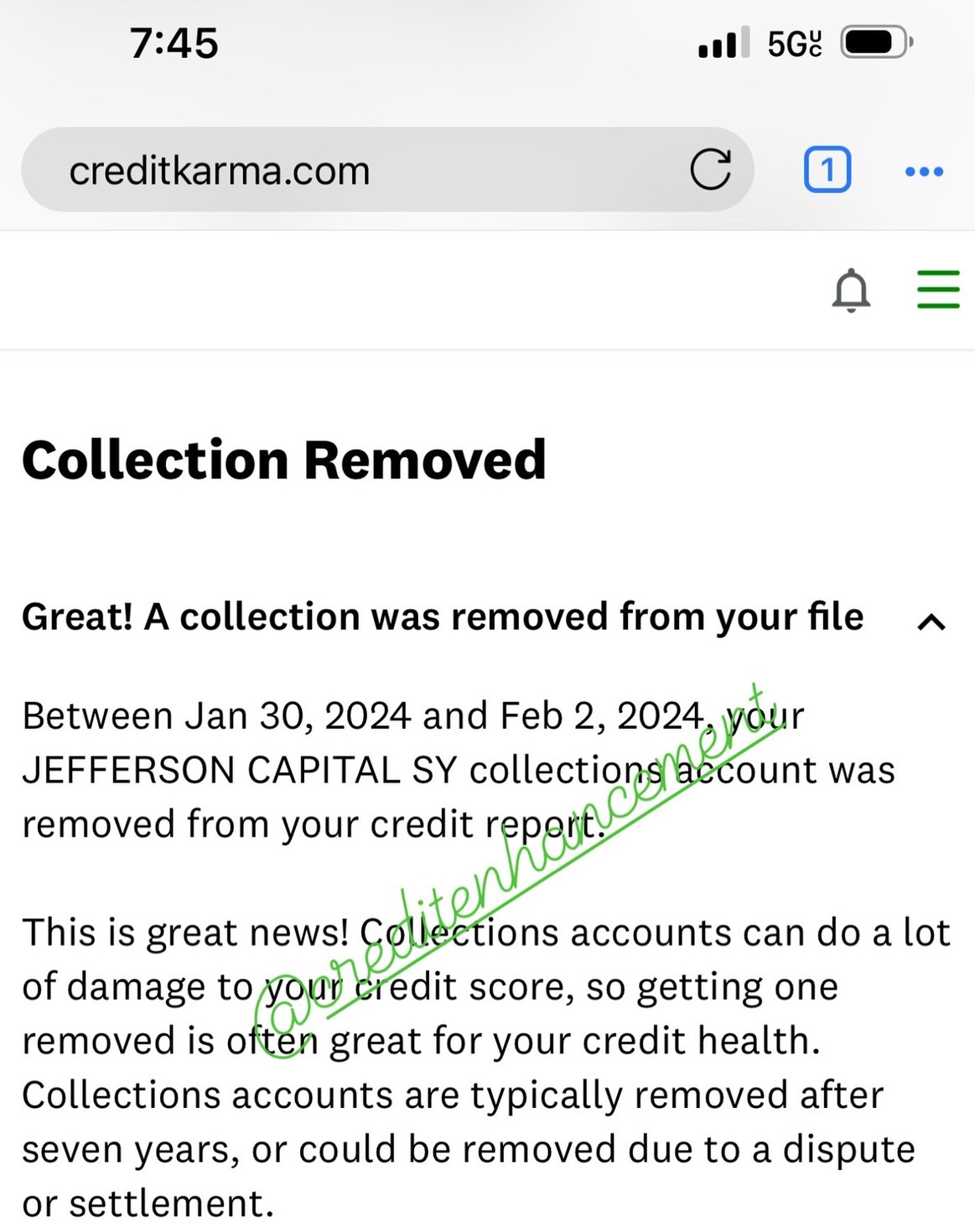
A Jefferson Capital collections account was removed from a client's credit report in February 2024.
Results vary from person to person and depend on what is in each credit file. Nothing here promises a particular score increase or deletion.
A review starts with the page in front of you, not with a lender's verdict. For a dollar, you can look over your own reports — scores and entries from all three bureaus — and see exactly what a reviewer would be looking at.
Knowing what is on the page is what turns a vague worry into a clear next step.
Your first look is $1 for 7 days with MyScoreIQ and the months after that run $34.99 each. Cancel anytime.
A useful review takes in the whole picture instead of zeroing in on one negative entry. Here are the areas we walk through with you, and why each one matters.
We go over reported account names, ownership details, opening dates, account statuses, and the other information that can flag an unfamiliar or incorrectly reported account.
We show how reported payment patterns, late payments, and account status information appear on your credit reports — and what to look at when the details do not add up.
We help you make sense of reported balances, available revolving credit, and how utilization is commonly weighed by credit scoring models.
We look at what is shown for collection accounts and charged-off debts, including reported amounts and account status details.
We explain hard inquiries versus soft inquiries, and help you spot inquiries you do not recognize or believe were reported incorrectly.
We explain what account entries mean in everyday language, so you can make informed decisions.
Our review looks for information that may be inaccurate, incomplete, unfamiliar, or inconsistent.
We spell out the difference between information that may be inaccurate and accurate negative reporting.
Tell us what you are dealing with — a car loan, a mortgage, an apartment application, a high interest rate, or something else credit-related.
We go over the reports and account details you have, focusing on the information that relates to your concerns.
We help you spot entries that may be worth investigating further or challenging with a factual dispute.
We lay out possible next steps and talk through responsible credit habits that may support your broader financial goals.
Reading reports from Equifax, Experian, and TransUnion gives you a fuller picture, because the information can differ from one reporting agency to another. We encourage people to look at every report they can get.
A review may surface accounts or inquiries you do not recognize. If you suspect identity theft, that should also be reported through the proper identity theft and credit reporting channels.
Checking your own credit report is generally a soft inquiry and does not lower your score. That is different from certain lender applications, which involve hard inquiries.
Having your reports handy can make the conversation more useful, but you can reach out first if you need help figuring out how to get them.
Wondering what lenders are seeing? Take a closer look at your credit reports. Call (830) 202-2048.